

After a storm, the mess on a property is never just cosmetic. Saturated furniture, splintered materials, ruined storage boxes, and scattered debris can block walkways, trap moisture inside a home, and delay every repair that follows. Efficient cleanup means moving quickly without making the site harder to restore. That is why many households dealing with Furniture Removal Slidell concerns need more than a simple haul-away service. They need a methodical cleanup process that clears space, reduces risk, and helps the property move into the next stage of recovery. Junk Bus stands out because it treats storm cleanup as a sequence of practical decisions, not a one-step pickup.
What Efficient Storm Cleanup Really Requires
Storm cleanup works best when speed and order are balanced. If damaged items are pulled out too casually, salvageable belongings can be mixed with ruined debris, and access points can become harder to navigate. If cleanup moves too slowly, moisture lingers, odors settle in, and repairs are pushed back. The most efficient approach starts with identifying what must go first, what should be set aside, and how each load can open up the property rather than create another bottleneck.
In practical terms, that means prioritizing the items that create the biggest problems for safety and restoration. Waterlogged couches, broken tables, unstable shelving, soaked mattresses, and fallen exterior debris are often more urgent than homeowners first realize. These materials are bulky, heavy, and often difficult to move without a plan. A capable crew does not just remove them; it creates a safer, more workable site for drying, cleaning, and repair.
- Safety first: Clear paths, reduce trip hazards, and avoid shifting unstable piles.
- Moisture control: Remove soaked items quickly so interiors can begin drying properly.
- Smart sorting: Separate debris, damaged furniture, and potentially salvageable pieces.
- Site access: Keep driveways, entry points, and work zones usable for contractors and adjusters.
How Junk Bus Organizes the Work From First Pickup to Final Load
One reason Junk Bus handles storm cleanup efficiently is flexibility. Not every property needs the same kind of container, vehicle, or loading strategy. Under the Rubber Tire Dumpster Rentals, Roll Off Dumpster Rentals, Junk Bus umbrella, the company can match the cleanup method to the site instead of forcing every job into the same setup. That matters after a storm, when driveway protection, neighborhood access, and the volume of debris can vary from one home to the next.

For some properties, a rubber tire dumpster is a practical choice because it is easier on finished driveways and works well in tighter residential spaces. For larger cleanup jobs with heavy storm debris, a roll off dumpster may make more sense. And when immediate removal is the priority, a hands-on Junk Bus pickup can help homeowners clear out damaged items without managing a container on site longer than needed. The efficiency comes from choosing the right tool for the conditions, then loading in a way that clears the most important areas first.
- Initial assessment: The crew identifies access points, damaged furniture, loose debris, and the items that should be removed first.
- Separation of materials: Bulky furniture, yard debris, household waste, and other storm-related items are organized to avoid confusion and wasted motion.
- Priority loading: The team removes the heaviest, wettest, and most obstructive items early so the home becomes easier to dry and inspect.
- Clean finish: The goal is not only a full load, but a property that feels manageable again and ready for the next phase of work.
This kind of structure is especially useful after severe weather, because homeowners are often juggling insurance documentation, family logistics, and urgent repair decisions at the same time. A cleanup service that arrives with a clear system reduces friction during a stressful day.
Why Furniture Removal Slidell Homes Need After Storms Is Different
Furniture removal after a storm is not the same as clearing out old household pieces during a routine cleanout. Upholstered items absorb water fast. Particle-board furniture swells, weakens, and can break apart while being moved. Mattresses hold moisture deep inside. Wooden pieces may look intact at first but can warp or stain after exposure. Even outdoor furniture can become tangled with fence pieces, branches, and other debris. In short, storm-damaged furniture is heavier, less stable, and more time-sensitive than ordinary unwanted items.
When the cleanup includes couches, dressers, bed frames, and other bulky pieces that cannot realistically be dried or restored, Furniture Removal Slidell becomes an important part of getting the property ready for remediation. Removing those items early gives homeowners a clearer view of the real condition of floors, walls, and baseboards. It also prevents damaged furniture from continuing to leak moisture into the interior.
| Item | Common storm-related issue | Typical cleanup priority |
|---|---|---|
| Upholstered sofas and chairs | Water absorption, odor retention, contamination risk | Remove quickly to support drying |
| Particle-board dressers and shelving | Swelling, sagging, structural weakness | High priority before pieces collapse |
| Mattresses and box springs | Moisture trapped deep inside | High priority for health and odor control |
| Solid wood furniture | Possible warping or surface damage | Inspect first if salvage may be possible |
| Patio furniture | Mixed with exterior debris or displaced by wind | Clear as part of exterior access restoration |
That is where disciplined removal matters. Instead of dragging everything into one pile, efficient storm cleanup separates pieces that are clearly unsalvageable from items that may still deserve a second look. It is a practical balance of speed and judgment.
What Homeowners Can Do Before the Crew Arrives
Professional removal helps most when the property has been prepared thoughtfully. Homeowners do not need to do the heavy lifting themselves, but a few smart steps can make storm cleanup faster and more organized.
- Document visible damage. Take clear photos of affected rooms, damaged furniture, and debris before anything is moved, especially if insurance claims are still in progress.
- Pull out essentials. Set aside medications, important documents, chargers, pet supplies, and a few daily-use items so they do not get mixed into cleanup.
- Identify what should stay. If a family heirloom, solid wood piece, or sentimental item might be restorable, mark it clearly and keep it separate.
- Create a path. If it is safe to do so, unlock gates, move vehicles, and make access to the damaged area easier for the crew.
- Avoid repacking wet items. Putting soaked materials into closets, garages, or sealed rooms can trap moisture and create a bigger problem later.
Just as important, homeowners should resist the urge to over-handle soaked furniture. Water-damaged items can become unstable without warning, and moving them repeatedly often spreads dirt and moisture through the house. A planned pickup usually gets the job done faster and with less disruption.
The Value of a Clean Finish
The real measure of storm cleanup is not how quickly a truck gets filled. It is whether the property feels safer, clearer, and more ready for recovery when the work is done. A good cleanup opens flooring for inspection, clears rooms for drying equipment, restores access for contractors, and removes the bulky pieces that keep a home feeling stuck in the storm. That is the practical value Junk Bus brings to the process.
For homeowners in Slidell, efficient cleanup is often about momentum. Once debris and ruined furniture are gone, the next decisions become easier. Repair crews can see what they need to address. Families can move through the home more safely. And the emotional weight of visible damage starts to lift. In that sense, Furniture Removal Slidell residents need is not a minor task within storm recovery. It is one of the steps that helps everything else begin.
Junk Bus handles storm cleanup efficiently because it approaches the job with the right mix of urgency, organization, and flexibility. Whether the priority is a careful furniture pickup, a driveway-friendly dumpster option, or a larger debris solution, the goal remains the same: clear the damage responsibly and make recovery feel possible again.
Find out more at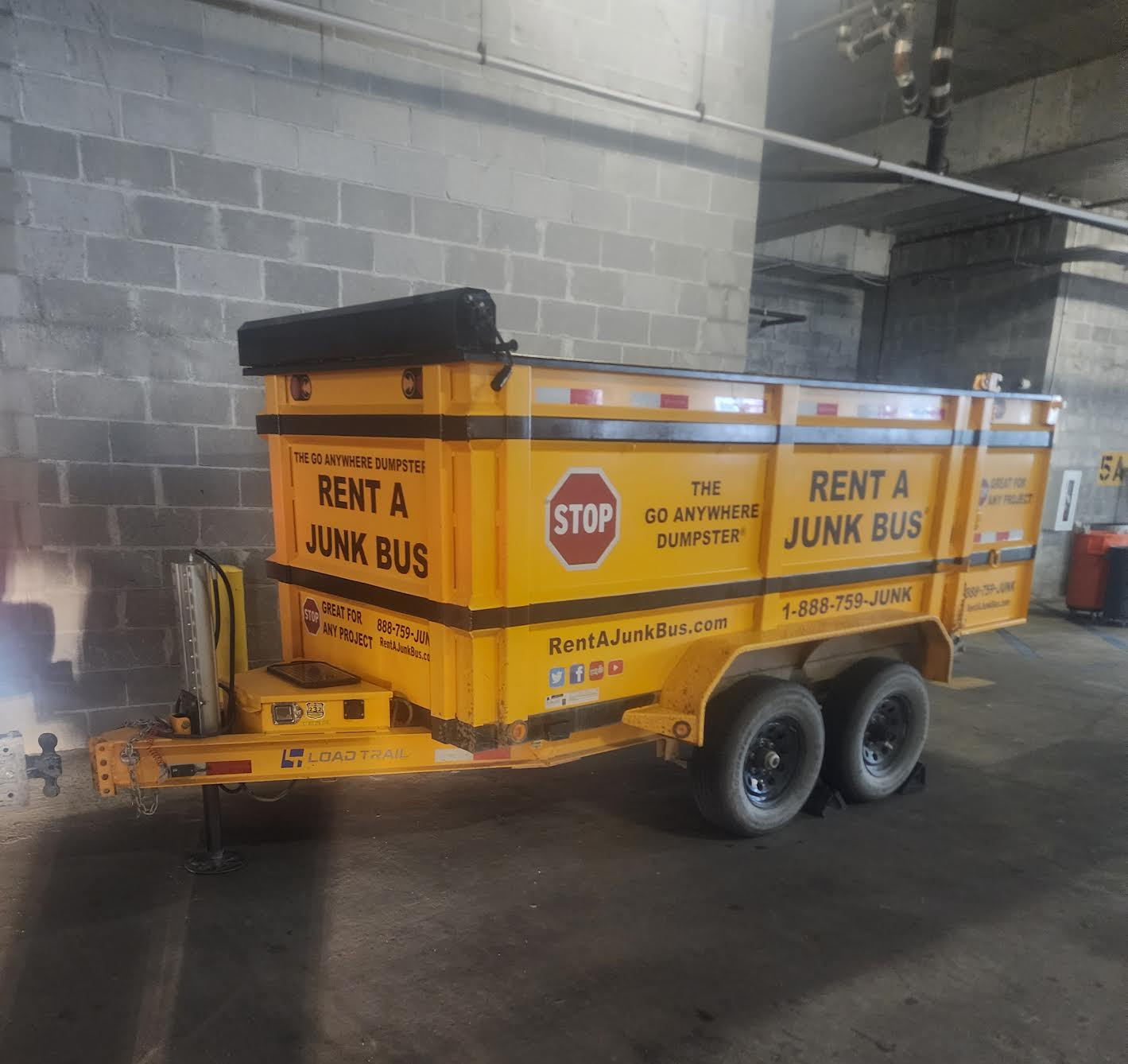
Junk Bus Dumpster Rental & Junk Removal Service
https://www.rentajunkbus.com/
Junk Bus offers the best dumpster rental service & junk removal specializing in dumpster rental on wheels, storm cleanup, junk hauling & more. Call now


