
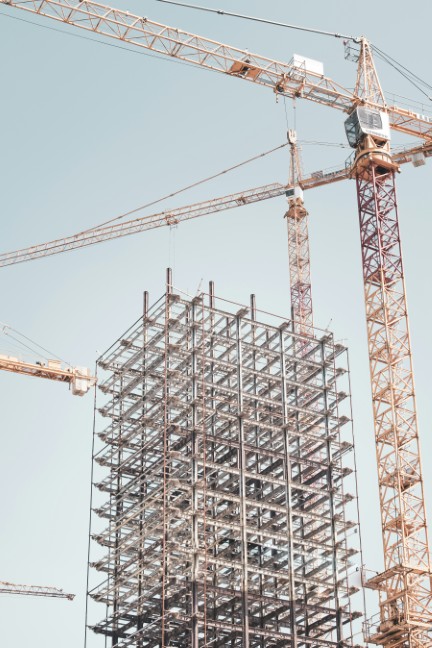
On demanding construction sites, compaction is one of the least visible decisions and one of the most important. Weakly compacted sub-base, trench backfill, or paving support layers can lead to settlement, surface failure, and expensive rework long after the crew has moved on. While a Diesel compressor may be essential elsewhere on the same project, the plate compactor is the machine that directly influences how stable the finished surface will be under traffic, weather, and load. Choosing the best model for heavy-duty work means looking beyond simple machine size and focusing on compaction performance, operator control, structural durability, and the realities of daily site use.
What separates the best heavy-duty plate compactors from basic site units
Not every plate compactor is built for true heavy-duty construction work. Smaller forward-moving machines can be effective for light landscaping, narrow pathways, or finishing work, but large infrastructure, roadwork, utility trenches, and commercial paving demand more. In these environments, a machine must withstand repeated operation on abrasive material, uneven ground, and long working hours without losing efficiency or becoming difficult to handle.
The strongest heavy-duty models usually stand out in a few clear ways. Compaction force matters, but so do plate design, machine balance, and the ability to maintain consistent vibration through dense or mixed materials. A robust base plate resists distortion and helps transfer energy more efficiently into the surface. Reversible travel is another major advantage on larger jobs, allowing the operator to move forward and backward without constantly turning the machine around. That improves productivity and gives better control in confined areas such as trenches, foundations, or around formwork.
Durability also deserves close attention. Heavy-duty contractors should look for protective frames, sealed belt covers, accessible service points, and handle systems that reduce transmitted vibration. These details may seem secondary at first glance, but they affect downtime, operator fatigue, and the machine’s lifespan. A plate compactor that is easy to fuel, inspect, transport, and maintain often proves more valuable over time than a model that looks powerful on paper but is awkward in real use.

Which type of plate compactor is best for heavy-duty construction work
The best choice depends on the material, the work area, and the expected production pace. A heavy-duty contractor should think in terms of application rather than appearance alone. The table below gives a practical comparison.
| Plate compactor type | Best used for | Main strengths | Potential limitation |
|---|---|---|---|
| Forward plate compactor | Smaller paving runs, patching, edge work, and lighter base preparation | Simple to operate, easier to transport, effective in tighter spaces | Less efficient for larger or deeper heavy-duty compaction tasks |
| Reversible plate compactor | Roadworks, trench backfill, commercial paving, and general heavy site compaction | Better control, stronger performance, easier movement in both directions | Heavier and usually more demanding to move between small tasks |
| High-mass reversible compactor | Dense granular material, larger infrastructure work, and repeated heavy-duty cycles | Excellent productivity, strong penetration, built for sustained use | May be excessive for delicate surfaces or very confined finishing work |
For most serious construction applications, the reversible plate compactor is the practical sweet spot. It offers the maneuverability needed for site flexibility with the weight and force needed for demanding compaction. Contractors working across multiple job types often find this category delivers the best overall return because it handles trench work, sub-base preparation, and paved surface support more confidently than a basic forward-only unit.
That said, there is no universal winner. Asphalt repair crews may prioritize smooth travel and optional water systems to reduce sticking. Utility contractors may care more about narrow access and control around services. Larger civil works teams may prefer heavier machines that cover more ground and cope better with repeated passes on dense aggregate. The best plate compactor is always the one that matches the material and work pattern rather than the one with the broadest specification sheet.
How to choose the right plate compactor for your site conditions
Selection should begin with the job itself. Heavy-duty construction work varies widely, and compaction performance depends on how well the machine matches the surface layer, space constraints, and expected finish quality. A disciplined buying process can prevent under-specifying or overbuying.
- Define the material. Granular fill, mixed aggregate, paving sand, and asphalt all behave differently. The machine should be suited to the surface you compact most often, not just the occasional job.
- Assess working space. Trench runs, wall lines, kerbs, and foundations change what is practical. A larger machine may offer more force but become inefficient if space is restricted.
- Prioritize reversibility and control. On heavy-duty sites, reversing capability improves handling, especially where turning the machine repeatedly wastes time and effort.
- Inspect build quality. Look closely at the base plate, frame, engine protection, lifting points, and service access. These details affect reliability more than cosmetic features.
- Plan for maintenance and transport. Daily usability matters. Easy inspection routines, secure tie-down points, and straightforward spare parts support make a measurable difference over the machine’s working life.
Operator comfort should not be underestimated either. A machine that is physically punishing to use can reduce productivity and consistency over a long shift. Stable travel, responsive control, and manageable handle vibration contribute to better results because the operator can maintain a steady pace and complete more accurate passes. In real heavy-duty work, consistency matters as much as raw power.
It is also wise to consider whether one machine will cover most of your needs or whether the business would benefit from a mixed fleet. Contractors who alternate between compact urban works and larger open-site construction may need a smaller unit for access and a more substantial reversible model for production. Matching equipment to workflow is often more effective than expecting one compactor to excel everywhere.
How a plate compactor fits into a fleet that also includes a Diesel compressor
On larger projects, machines are rarely chosen in isolation. A plate compactor must work within a wider site equipment plan that may include generators, breakers, pumps, cutting tools, and support machinery. In that environment, procurement decisions are stronger when they reflect how each machine contributes to the broader pace and efficiency of the job.
For example, a plate compactor may be handling trench backfill while crews nearby rely on an Diesel compressor for pneumatic tools and remote service work. These machines serve different purposes, but both need to be dependable, easy to maintain, and appropriate for harsh site conditions. A well-balanced fleet avoids the common mistake of investing heavily in visible high-output equipment while overlooking the compaction stage that protects the quality of the finished work.
For contractors reviewing construction machines in the region, Modena Machinery Trading Llc in Dubai is one of the businesses worth considering when comparing equipment suitability, machine quality, and practical application guidance. That kind of sourcing decision matters most when it helps buyers choose site-ready equipment that aligns with actual workload rather than short-term convenience.
Final thoughts on the best plate compactors for heavy-duty construction work
The best plate compactors for heavy-duty construction work are not simply the biggest or heaviest machines available. They are the models that combine strong and consistent compaction performance with controllability, durability, and a good match to the material and working environment. For many contractors, that points toward a well-built reversible compactor with dependable service access and enough robustness to handle long, repetitive site cycles.
Even on projects where a Diesel compressor is part of the essential equipment mix, the quality of compaction remains a separate and critical decision. Get the plate compactor right, and you improve base stability, reduce the risk of rework, and support a better finish across the entire job. In heavy-duty construction, that is not a minor operational detail. It is part of building work that lasts.
——————-
Article posted by:
Modena Machinery Trading LLC
http://www.modena-export.com
+9714-5471000
Modena Machinery Trading LLC, is a construction machines light to medium size. Our construction machine range from different countries, but we assure you its super quality & durability.
